Freight Transport Infrastructure

FREIGHT
transport
INFRASTRUCTURE

Inter-Port Global is a leading force in developing and managing critical infrastructure across the logistics and transportation sectors — transforming Gladstone into Australia's most efficient container gateway.

Scroll
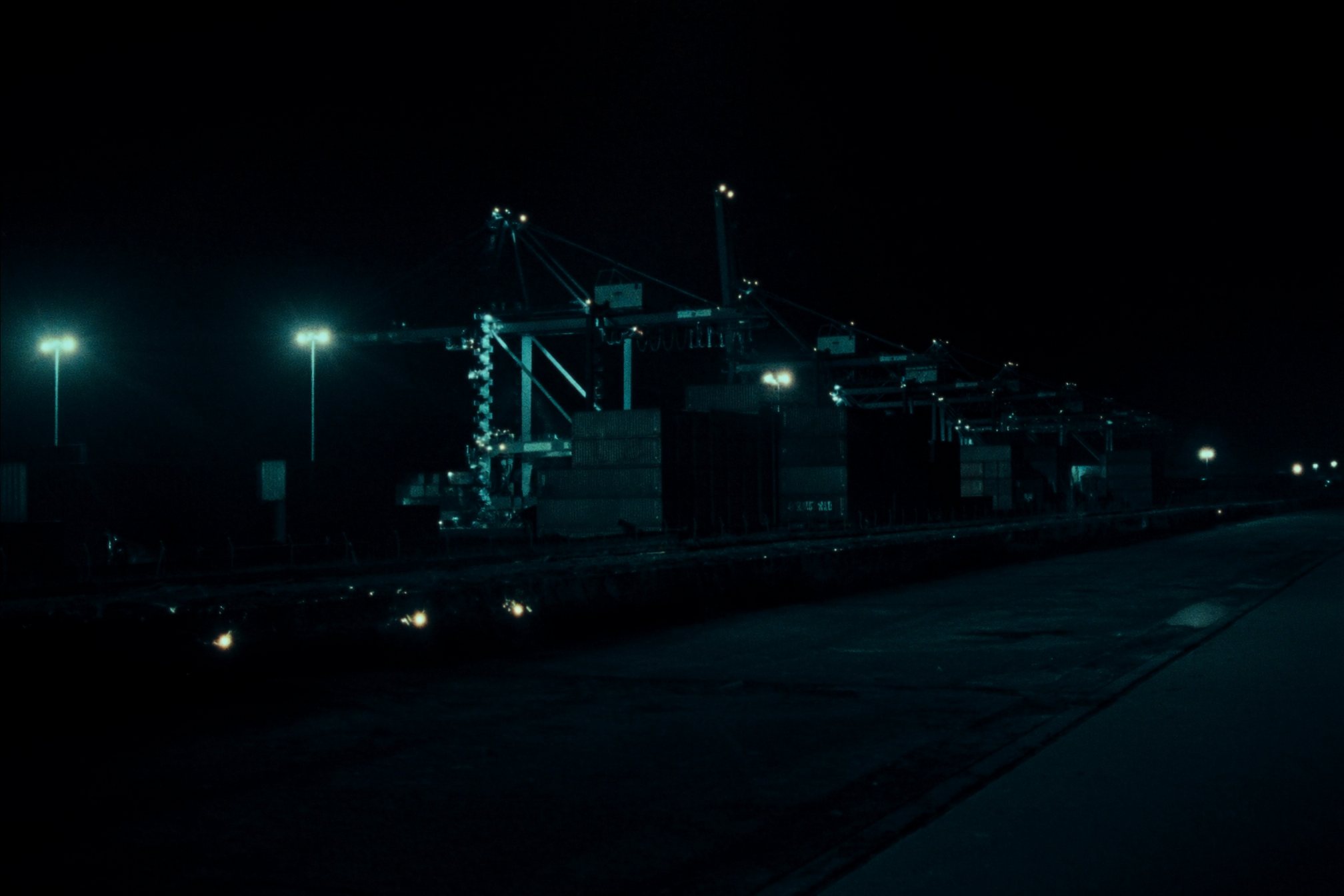
Container Terminal — Gladstone
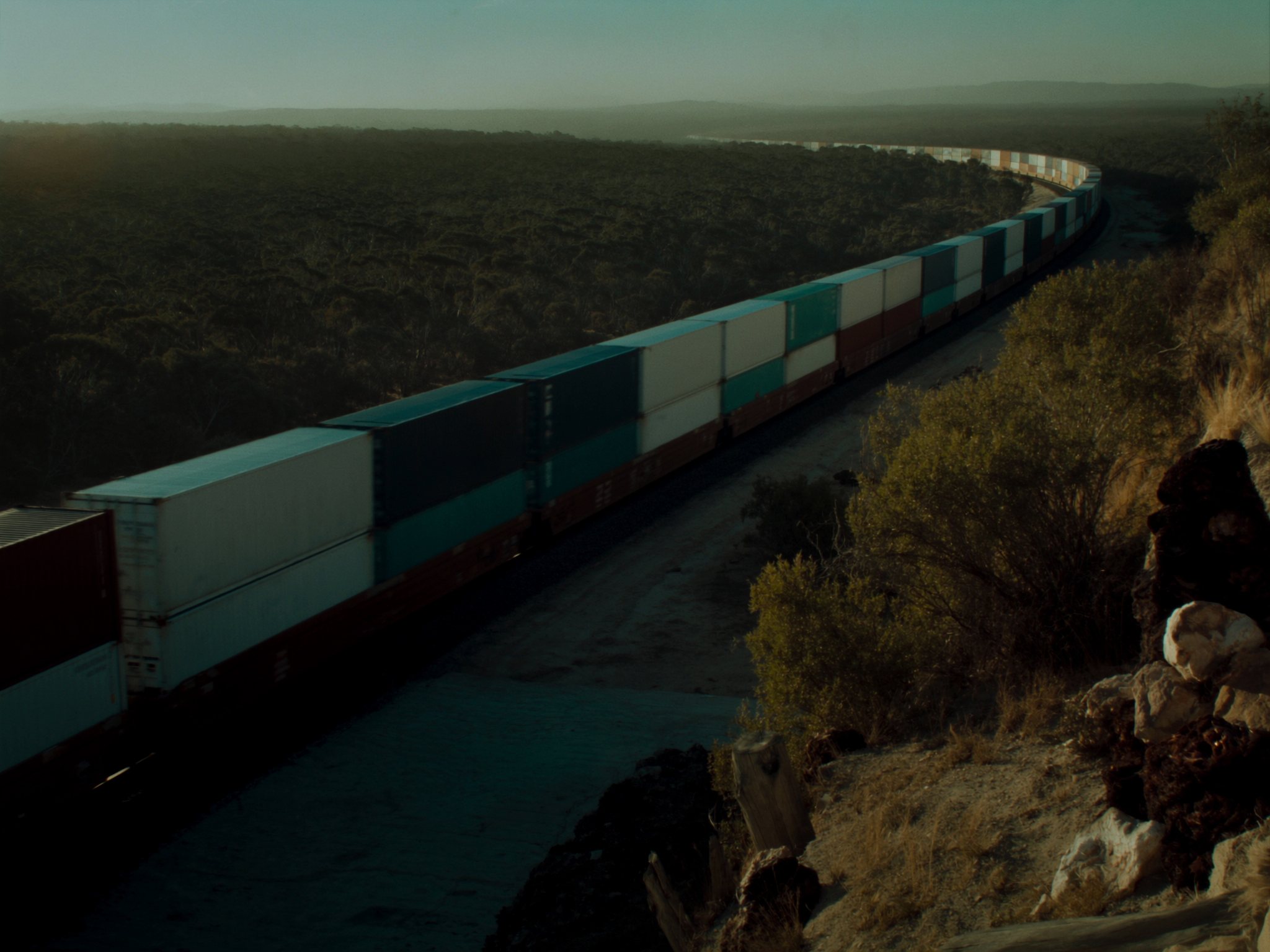
🚂 Rail-First Inland Logistics
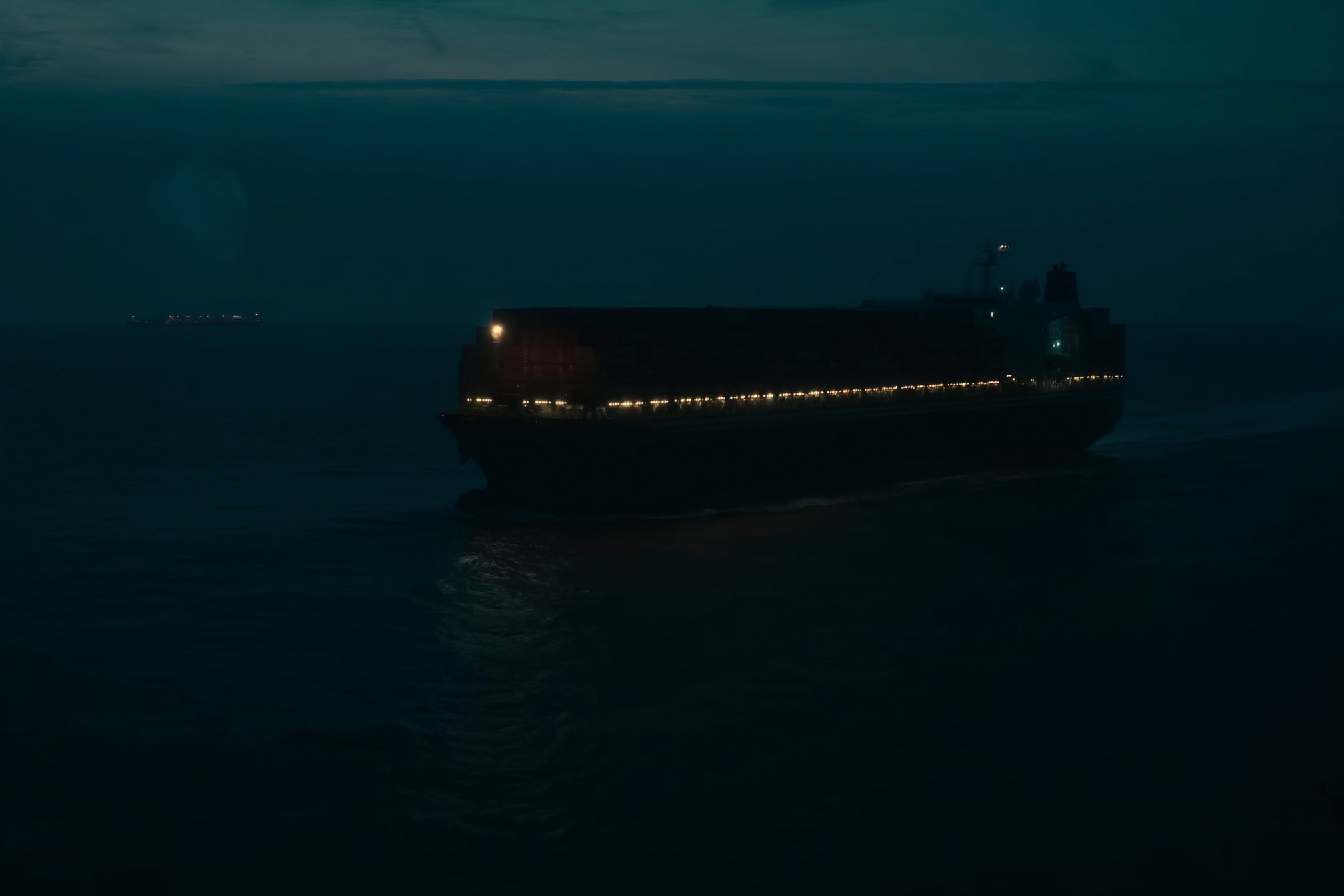
🚢 IPG Shipping — Trans-Tasman & Asia
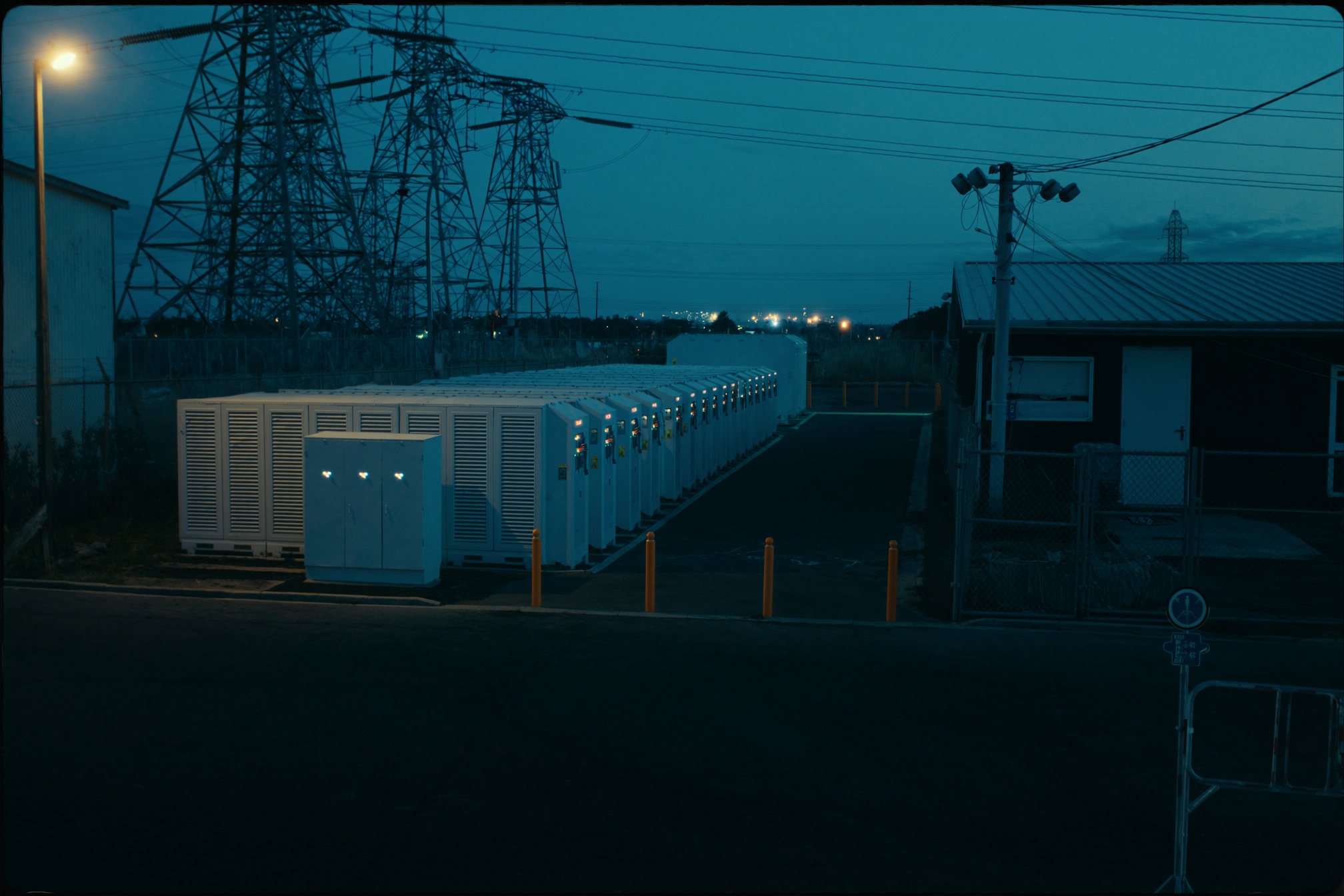
125MW Battery Energy Storage
🏭 Calliope Inland Port — 2,700ha
❄️ 48,000m² Cold Storage
🌏 2.2M TEU Target by 2040
💼 $20 Billion Integrated Program
Container Terminal — Gladstone
🚂 Rail-First Inland Logistics
🚢 IPG Shipping — Trans-Tasman & Asia
125MW Battery Energy Storage
🏭 Calliope Inland Port — 2,700ha
❄️ 48,000m² Cold Storage
🌏 2.2M TEU Target by 2040
💼 $20 Billion Integrated Program
Mission

About
Interport Global

Our Vision

To establish Gladstone as Australia's most efficient and technologically advanced transport and logistics hub, enabling seamless trade, regional growth, and global competitiveness.

$20bn
Coordinated infrastructure investment program
2.2m
TEU per annum target capacity by 2040
3M+
Additional TEU demand forecast on east coast over next decade
580km
Rail corridor integration across Central Queensland

IPG's primary endeavour is known as Project Velocity — a privately financed, fully integrated port-to-rail-to-inland logistics system designed to transform Gladstone and the regional economy. Working closely with local landowners and stakeholders across all levels of government, Project Velocity is seeking to utilise proven and aligned capability to expand Australia's eastern seaboard container capacity without transferring congestion, cost or operational risk to surrounding communities.

IPG's rail-first, demand led operating model is designed to deliver high berth productivity, safe and consistent operations, and low on wharf container dwell times. By structurally decoupling landside logistics from waterfront operations, the model improves throughput reliability and reduces variability for shipping lines.

It does this while providing an alternative east coast container gateway that strengthens national supply chain resilience and disaster recovery capability. This approach unlocks untapped regional freight potential across agriculture, mining, manufacturing, and energy precincts, lowering logistics costs for exporters and importers and improving the competitiveness of Central Queensland supply chains.

Australian ports are facing long-term structural challenges in container capacity, driven by growing freight volumes, larger vessel sizes, labour constraints and infrastructure that is increasingly operating at or near design limits. Forecast growth of more than three million TEU on the east coast over the next decade will place further pressure on existing port, rail and road networks unless new, structurally integrated capacity is developed.

Beyond the wharf line — current activities
  • Shipping Activation with regular servicing commencing over the coming months through Gladstone and Darwin and into South East Asia
  • Inland Port and Landside Logistics Enablement at Calliope Station, 48km west of Gladstone
  • Workforce, Accommodation and Regional Capacity — up to 1,400 workers accommodated with expansion potential for a further 1,400
  • Cold Storage, Energy and Sustainability — 48,000m² cold storage facility and 125MW (500MWhr) BESS development advancing
  • Community, First Nations and Stakeholder Engagement — active dialogue with FNBGGGTB people and regional government at all levels
Key Focus Areas

An integrated platform
across four verticals

01

Ports

IPG is collaborating with both government stakeholders, existing landowners and the private sector to pursue opportunities for major new container terminal development through Central and Northern Queensland. This includes both quayside wharf redevelopment and the development of an Inland Port at Calliope Station, 48km west of Gladstone, and a commercial partnership with the CQ Inland Port in Emerald.

  • Growing capacity and trade volumes for the region
  • Increasing speed to market for primary producers, manufacturers and exporters
  • Decreasing time and costs of imported freight and goods
  • Growing the economy and providing a stimulus to regional Australia
  • Creating regional sustainable jobs and reducing CO₂ emissions
Container Terminal · Inland Port · Rail Integration
02

New Energy & Industrials

Led by Patrick Suckling, IPG's New Energy and Industrials vertical focuses on identifying underdeveloped or untapped needs for industrial development in Central Queensland. Current initiatives include a planned 35MW Substation and 125MW (500MWhr) BESS, and development of a 48,000m² Cold Storage Warehousing and Reefer Container handling facility.

  • 35MW Substation + 125MW (500MWhr) Battery Energy Storage
  • 48,000m² Cold Storage and Reefer Container facility
  • Industrial Park for advanced manufacturing tenancies
  • Traditional fuel storage and bio-fuels processing
  • Defence and explosives warehousing opportunities
Energy · Cold Chain · Industrial
03
🚢

Shipping

In partnership with established global freight shipping services, IPG is currently sourcing 3 × 1,700+ TEU vessels. The initial service will utilise existing port infrastructure across Gladstone, Darwin and Trans-Tasman to create export pathways and build demand whilst other phases of Project Velocity are developed.

  • Asian Service: Newcastle · Gladstone · Darwin · Surabaya · Port Klang — commencing mid-2026 with 3 × 1,700 TEU vessels on 3× monthly sailings
  • Trans-Tasman Service: Port Kembla · Brisbane · Northport · Mount Maunganui · Lyttelton — launched March 2026 via modern multipurpose geared vessels
  • Heavy lift capability up to 160mt for project cargoes
  • Transhipment to global markets via aligned feeder services
Container · Breakbulk · Bulk
04
🚛

Road Transport

Through existing relationships with a network of independent transport operators, IPG's fully integrated solution will incorporate dedicated services via road where necessary to help facilitate seamless and more cost-effective flow of freight to our dedicated shipping service.

  • First and last mile road connections integrated with rail-first network
  • Independent operator network across Central Queensland
  • Regional aggregation and contingency freight capability
  • Reducing long-haul truck movements where rail is viable
First Mile · Last Mile · Regional
Newcastle / Gladstone
Australia — Load Port
Darwin
Northern Territory — Regional Gateway
Surabaya / Jakarta
Indonesia — Direct Service
Port Klang
Malaysia — Transhipment Hub
+ Trans-Tasman via NZ Ports
Shipping Routes

Australia's direct link
to Southeast Asia

IPG Shipping is establishing the only direct liner connection between Australia and Indonesia in both directions — providing same-week-day services calling at the ports of Newcastle, Gladstone, Darwin, Surabaya and Port Klang. Launching mid-2026 with 3 × 1,700 TEU vessels on a three-times-monthly schedule.

The Trans-Tasman breakbulk service — launched March 2026 — links Port Kembla, Brisbane, Northport, Mount Maunganui and Lyttelton using modern multipurpose geared vessels capable of heavy lifts up to 160mt.

Cargo Enquiries →
Alignment

Alignment to
Government

01
COAG National Freight Framework The Council of Australian Governments' call for a place for freight and the corridors that connect them — positioning Gladstone as a nationally significant freight node.
02
Queensland State & Local Government Growth Agenda Directly supporting the Queensland State Government and Gladstone Local Area Government's agenda for future sustainable and economic growth through private investment.
03
Queensland 30-Year Blueprint Aligned with Queensland's 30-year blueprint for statewide economic growth through critical freight-based infrastructure, including rail corridors and port capacity.
04
Smart Cities & Decentralisation Vision Supporting the Australian and State Governments' Smart City Vision; embracing capital city decentralisation and regional economic activation.
05
Gladstone Integrated Regional Transport Plan (GIRTP) Responding directly to the GIRTP's call for development of a globally focused maritime, commerce and freight logistics hub to play a fundamental role in facilitating global trade.
GLADSTONE BRISBANE DARWIN CALLIOPE

Gladstone, Central Queensland sits at the strategic centre of IPG's logistics platform — connected by rail to inland production regions, positioned between northern resource basins and southern population centres, and offering direct deep-water access to Asia-Pacific trade routes.

IPG Executive Group

Meet Our
Dedicated Team

The IPG Board provides independent oversight and multi-disciplinary expertise across infrastructure delivery, governance, and logistics.

Executive Leadership
AM
Alex McLaren
Alex McLaren
Group Executive, Logistics and Strategy
PM
Paul Murphy
Paul Murphy
Group Executive, IPG Shipping
GF
Grant Flekser
Grant Flekser
Group Executive, IPG Rail
PS
Patrick Suckling
Patrick Suckling
Managing Director, New Energy and Industrials
IPG Board
LA
Leon Allen
Leon Allen
Chair
AR
The Hon Andrew Robb AO
Director
AH
Amanda Hodges
Amanda Hodges
Director
MM
Michael McLean
Michael McLean
Director
JO
Jason O'Hara
Jason O'Hara
Director
Founding Vision & Ownership Support
Founder
Des Euen

Des Euen is a globally recognised logistics and transport management professional, with more than five decades of experience spanning road, rail, and maritime sectors. As Founder of IPG, Des has remained actively engaged with the Gladstone community, government agencies, industry stakeholders, and GPC, consistently advocating for the Port of Gladstone to function as an integrated port, rail, and industrial precinct delivering measurable economic, trade, and supply chain benefits to Gladstone, Queensland, and Australia.

Majority Owner & Capital Partner
Allcap Securities

In 2025, Allcap became the majority owner of IPG, transforming the organisation into a fully backed development consortium capable of delivering nationally significant infrastructure. Through Allcap's capital support, governance discipline, and strategic advisory capability, the original vision for the Port of Gladstone has evolved into a practical, investment-ready development framework. IPG's shareholding structure combines founding insight and long-term regional understanding with the backing of aligned institutional investors, providing both continuity and the financial capacity to scale.

Insights

Insights From
Our Team

All Insights →
Containers and Rails
Infrastructure · Rail

Containers and Rails: Revisiting a Missed Opportunity

The rise of containerization has revolutionised international trade, enabling the efficient movement of consumer goods, raw materials, and processed goods across the globe — yet Australia's rail network remains underutilised for container evacuation.

Port Capacity
Ports · Shipping

Port Capacity and Vessel Size: A Critical Balance

Coastal Shipping
Policy · Maritime

Navigating the Future: Improving Coastal Shipping in Australia

Rail Freight
Rail · Logistics

On Track for Growth: Addressing Australia's Rail Freight Challenges

Port Infrastructure
Infrastructure · Sustainability

Reimagining Port Infrastructure: Enhancing Productivity and Sustainability

Contact Us

Get
Answers

Whether you're an exporter, government stakeholder, potential partner, or industry professional — we want to hear from you. Reach out about Project Velocity, IPG Shipping services, or any aspect of our infrastructure program.

🔗
Office Address Suite 30.01, Level 30
25 Bligh Street
Sydney NSW 2000